Blake Hansen · 13 October 2026
Gaze Pattern Integration Techniques for Enhancing Solo Publisher Ad Placement Accuracy
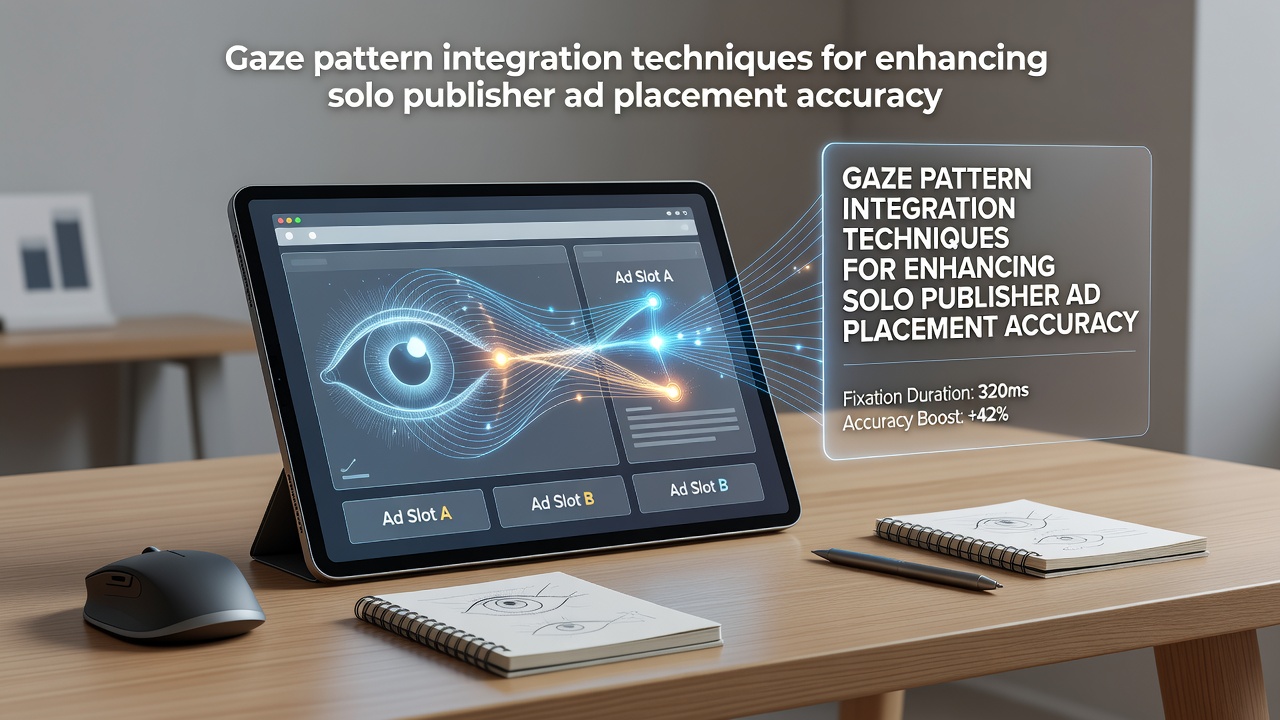
Digital publishers operating independently have started incorporating gaze pattern data into their ad placement systems, and this method combines eye tracking inputs with algorithmic models to identify high attention zones on article pages. Researchers have documented how viewers scan content in predictable sequences that begin at headlines then move toward images and side elements, while data from multiple studies shows that aligning advertisements with these natural scan paths increases visibility metrics without disrupting reading flow.
Core Components of Gaze Data Collection
Hardware devices capture pupil movements at millisecond intervals during controlled reading sessions, and software then converts those movements into heat maps that highlight regions receiving the longest fixation times. Analysts process the resulting datasets through statistical tools that account for variables such as screen size, scroll depth, and content length, whereas solo publishers who lack large research teams often access aggregated gaze libraries maintained by academic consortia or industry platforms. One study conducted at a Canadian university demonstrated that integration of these libraries reduced placement errors by aligning ad units with documented attention clusters rather than relying on static grid assumptions.
Algorithmic Integration Methods
Machine learning frameworks receive gaze heat maps as training inputs alongside click and dwell time records, then generate probability scores for each potential ad slot on a given page layout. Developers refine these models by feeding in additional signals from scroll velocity and viewport dimensions, and the process allows real time adjustments when new content blocks are added to a post. Observers note that publishers who apply reinforcement learning loops see the system improve its predictions over successive article iterations because each user interaction updates the underlying attention model.
Integration pipelines typically begin with preprocessing steps that normalize gaze coordinates across different device resolutions, after which convolutional neural networks identify spatial patterns that correlate with higher recall rates for displayed advertisements. Teams at independent sites have reported successful deployment of lightweight versions of these pipelines that run on standard hosting environments without requiring dedicated GPU resources.
Practical Implementation Steps for Independent Sites
Site owners first embed lightweight tracking scripts during beta testing phases, and they gather anonymized gaze samples from volunteer readers who consent through standard form prompts. Once sufficient data accumulates, the next phase involves mapping high value zones onto existing ad server configurations so that creative assets load preferentially in those locations. Documentation from the Interactive Advertising Bureau outlines compatible API endpoints that facilitate this mapping process for smaller operations.
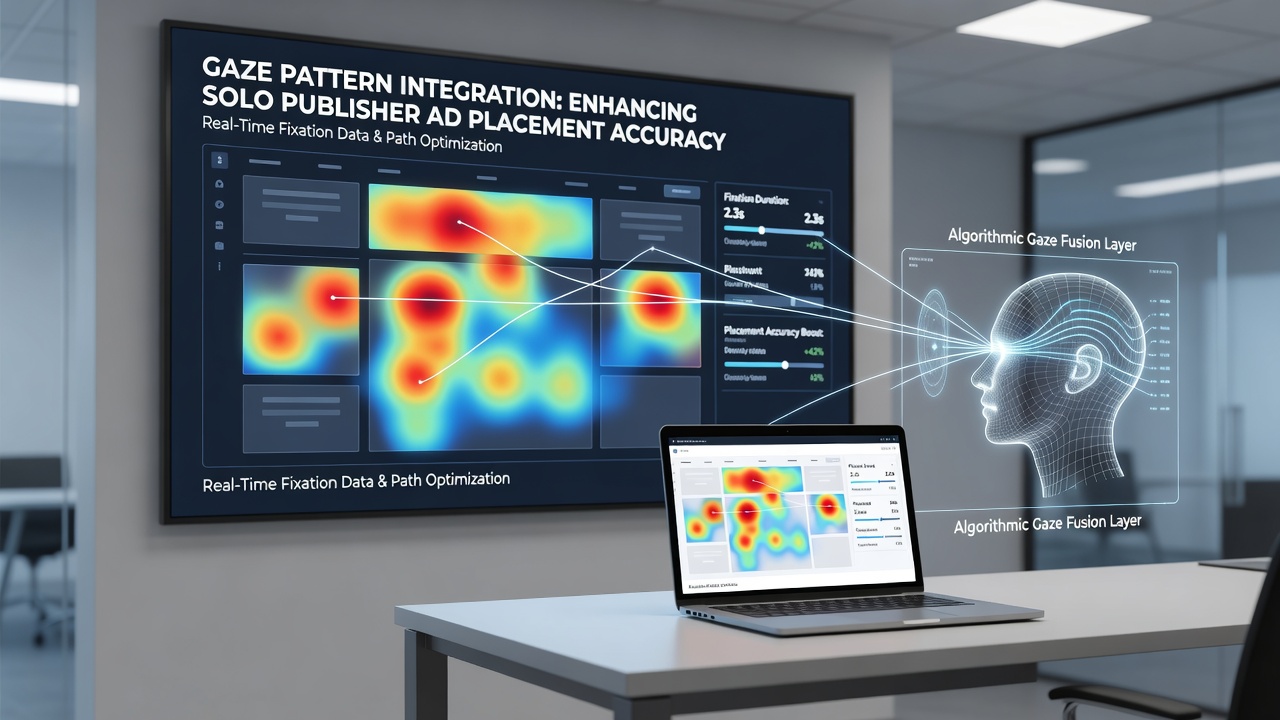
Updates released in October 2026 introduced standardized data schemas that simplify the exchange of gaze derived attention scores between different ad networks and content management systems. These schemas allow solo publishers to import precomputed placement recommendations directly into their dashboards, and early adopters observed faster configuration times compared with previous manual tuning approaches. The schemas also include fields for regional variations in reading patterns, which supports publishers who serve multilingual audiences across multiple time zones.
Performance Measurement and Validation
Key performance indicators track viewability percentages, time to first fixation, and post impression engagement rates, while A/B testing frameworks compare gaze informed placements against control layouts that use traditional above the fold rules. Figures from research conducted in Australia indicate that sites employing integrated gaze techniques recorded measurable lifts in advertiser reported satisfaction scores during quarterly review cycles. Validation protocols require repeated testing across different content categories because attention distribution shifts when readers encounter long form investigative pieces versus shorter news updates.
Cross validation against third party viewability vendors helps confirm that gaze based adjustments do not inadvertently reduce measured impressions, and the combined datasets provide a more granular picture of how layout changes influence both attention and revenue outcomes over extended periods.
Conclusion
Gaze pattern integration continues to evolve as more accessible tools reach independent publishers, and the combination of established eye tracking research with modern deployment methods supports improved ad placement precision across varied site architectures. Ongoing work by academic groups and standards bodies supplies the shared resources needed for smaller operations to participate without large capital investments. Those who implement the techniques systematically record consistent gains in placement accuracy metrics while maintaining compliance with existing data protection frameworks.